Why We Are Leaving America (And Why We Haven't Fully Left Yet)
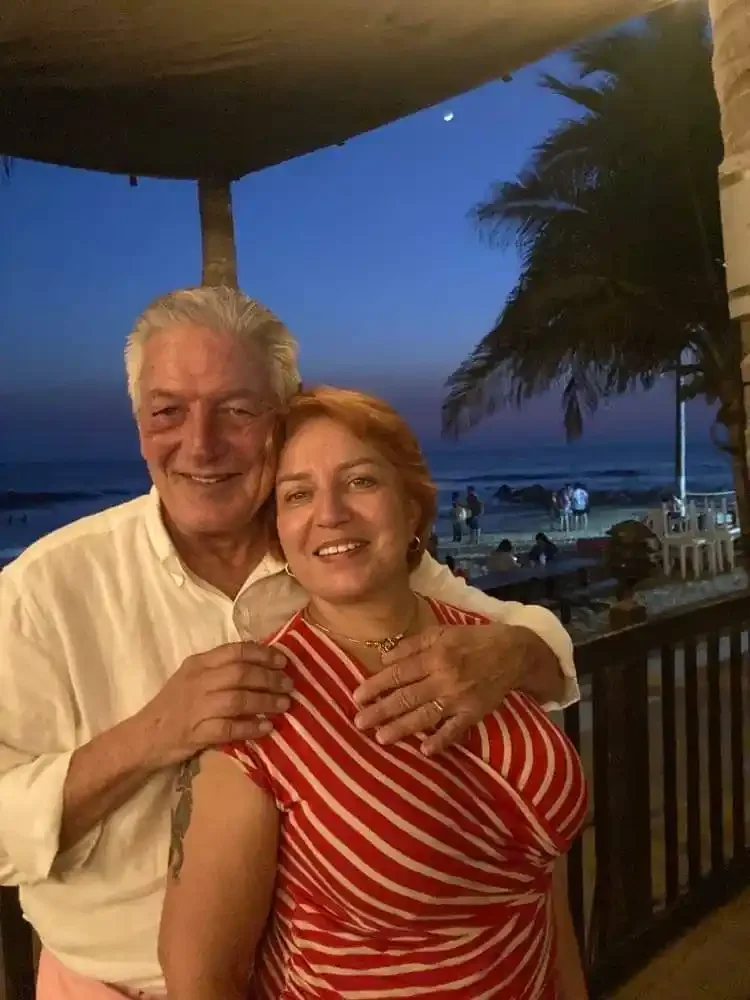
I came to the United States almost 15 years ago on a contract with Microsoft. America wasn't at the top of my list. I was looking at Singapore and a few places in Europe, but the job offers didn't come from there. The one from Microsoft did, and by then I needed to leave Russia. That's a story for another post.
I had worked with American companies for years and visited the US many times, so I thought I knew what I was signing up for. I was wrong about quite a lot of it.
Returning to Russia wasn't an option, so I committed to 10 years here, long enough to earn Social Security benefits. For friends outside the US: that's the federal retirement program you qualify for after working and paying into it for at least 40 quarters, roughly a decade. Now those 10 years are behind me.
Randy and I have made the decision. Most of our belongings, the parts of life that make a place feel like home, are already in Mexico. I still keep a Seattle address and spend much of my working time there because of my current job. We are half moved. Many of the people I know who are leaving the US are in the same in-between state, so I'll stop pretending it's a clean break.
People ask why. Some of my American friends still tease me about my "socialist" background, as if that explains it. It doesn't. Randy was born and raised here, and he wants out as much as I do. Here is what actually drove the decision.
1. The taxes don't come back to me
About a quarter of what I earn goes to the government. I'm not complaining about the rate itself. My European friends pay more. The difference is what arrives in return. They get healthcare, education, parental leave, and a functioning safety net. I get roads, a military, and the right to negotiate the rest of it myself.
2. Health insurance is a second mortgage
I've held well-paid jobs the whole time I've been here, and I've always had employer coverage. For my family I still pay around $700 a month on top of what the company contributes. Together, the premium runs past $2,000 a month. Then there's a $2,000 deductible before the insurance pays for anything beyond routine care.
That's roughly typical now. KFF's 2025 employer survey put the average family premium at $26,993 a year, with workers contributing $6,850 of it directly out of paycheck. The average single-coverage deductible is $1,886. Family premiums have risen 26% in five years.
I know people who went bankrupt over medical bills. My quiet, persistent worry is what happens if I lose the job or get seriously sick. The coverage is tied to the employer, which means the moment you most need it is the moment you're closest to losing it.
3. Two weeks of vacation, and good luck taking them
I get two weeks of paid vacation a year, plus one week of personal leave. That's better than what many Americans get. It's also half of what I had in Russia and well under what most of Western Europe considers normal. The bigger problem is cultural: my colleagues take their vacation one week at a time. Using two consecutive weeks requires explaining yourself.
4. Maternity leave is a personal favor from your employer
My daughters are grown, so this no longer affects me directly. But I watch the women I work with negotiate maternity leave the way you'd negotiate a raise. Paternity leave barely exists in conversation. The US is the only wealthy country without federally guaranteed paid parental leave, and a lot of people just plan their lives around that fact.
5. College debt outlasts the degree
I'm still paying off tuition for one of my daughters. I chose to take that on rather than hand her a debt she'd carry into her forties. In most of Europe, public university tuition for citizens is either free or costs a few hundred euros a semester. Non-Europeans can study there for a fraction of what an American degree costs.
6. Retirement is a coin flip
Recent surveys say around 28% of Americans have no retirement savings at all, and the median for working-age adults with any savings is around $87,000. Among people 55 to 64, the ones at the door, the median is $185,000. Fidelity suggests you need eight to ten times your salary by retirement.
Social Security helps but doesn't carry most people. The trust fund is projected to run short by 2034, which means automatic benefit cuts of roughly 20% if Congress does nothing. That's nine years away.
I will collect Social Security. It might cover ordinary expenses in parts of Mexico, Portugal, or Spain. It won't cover them in Seattle.
7. Guns
Gun deaths have actually fallen for four years in a row. 2025 was the lowest in over a decade. That's real progress, and worth saying. Even so, around 38,000 people died from firearms in 2025, more than 100 a day, and firearms are the leading cause of death for Americans under 18.
The progress doesn't change the daily texture of life. I lived in downtown Seattle before the pandemic, two blocks from the courthouse. Judges had been attacked. Shootings happened most months. "Safe neighborhood" turned out to be a smaller category than I'd thought when I moved here.
8. Climate isn't being treated as real
The West Coast burns. The Gulf gets hit by hurricanes that arrive earlier and stronger every year. The federal government has spent the past year rolling back climate policy and pulling out of international agreements rather than the other direction. Whatever I think about the political fight, the planet doesn't care about it, and Mexico isn't going to be spared either. We're choosing where to face the next 30 years, not whether to face them.
9. The social contract feels broken
This is the hardest one to name without sounding either preachy or vague. The shortest version: the country has decided, again and again, that people are responsible for their own outcomes regardless of what they started with. Healthcare, housing, education, old age. You earn them, or you go without.
I'm not a socialist. I lived under actual socialism and I left. But the gap between what Americans pay into the system and what they get back has gotten wider, and the political appetite for closing it has gone in the wrong direction.
Anthropologist Wade Davis put it well in The Unraveling of America in Rolling Stone, back in 2020, and I've thought about this paragraph for years:
The American cult of the individual denies not just community but the very idea of society. No one owes anything to anyone. All must be prepared to fight for everything: education, shelter, food, medical care. What every prosperous and successful democracy deems to be fundamental rights — universal health care, equal access to quality public education, a social safety net for the weak, elderly, and infirmed — America dismisses as socialist indulgences, as if so many signs of weakness.
That's the part I can't get past anymore.
What I'll still love
I'm not bitter, and I don't want this to read that way. America gave me 15 years of interesting work, real friendships, and a husband. I'll keep my passport. It still moves me across most of the world without a visa, which matters more as I get older.
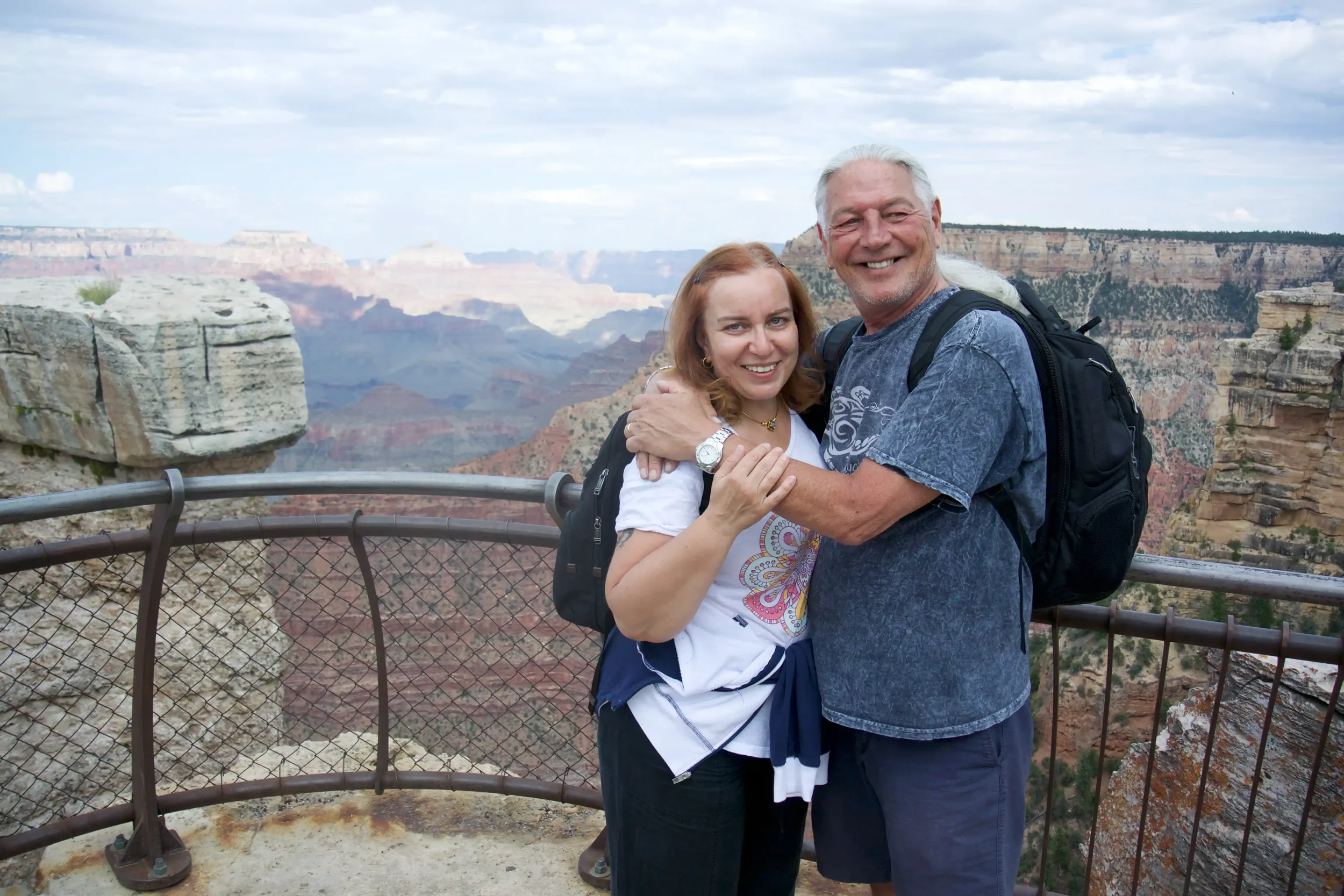
The country itself is beautiful in a way that's hard to describe to anyone who hasn't driven across it. Randy and I took a road trip from Seattle to Ohio just before the pandemic to see his father. I'll remember that drive for the rest of my life.
The Metropolitan Museum is the place I most want to be lost in. The Met Opera is another. I'll come back for both, and for the people I love who are staying.
Where we landed (sort of)

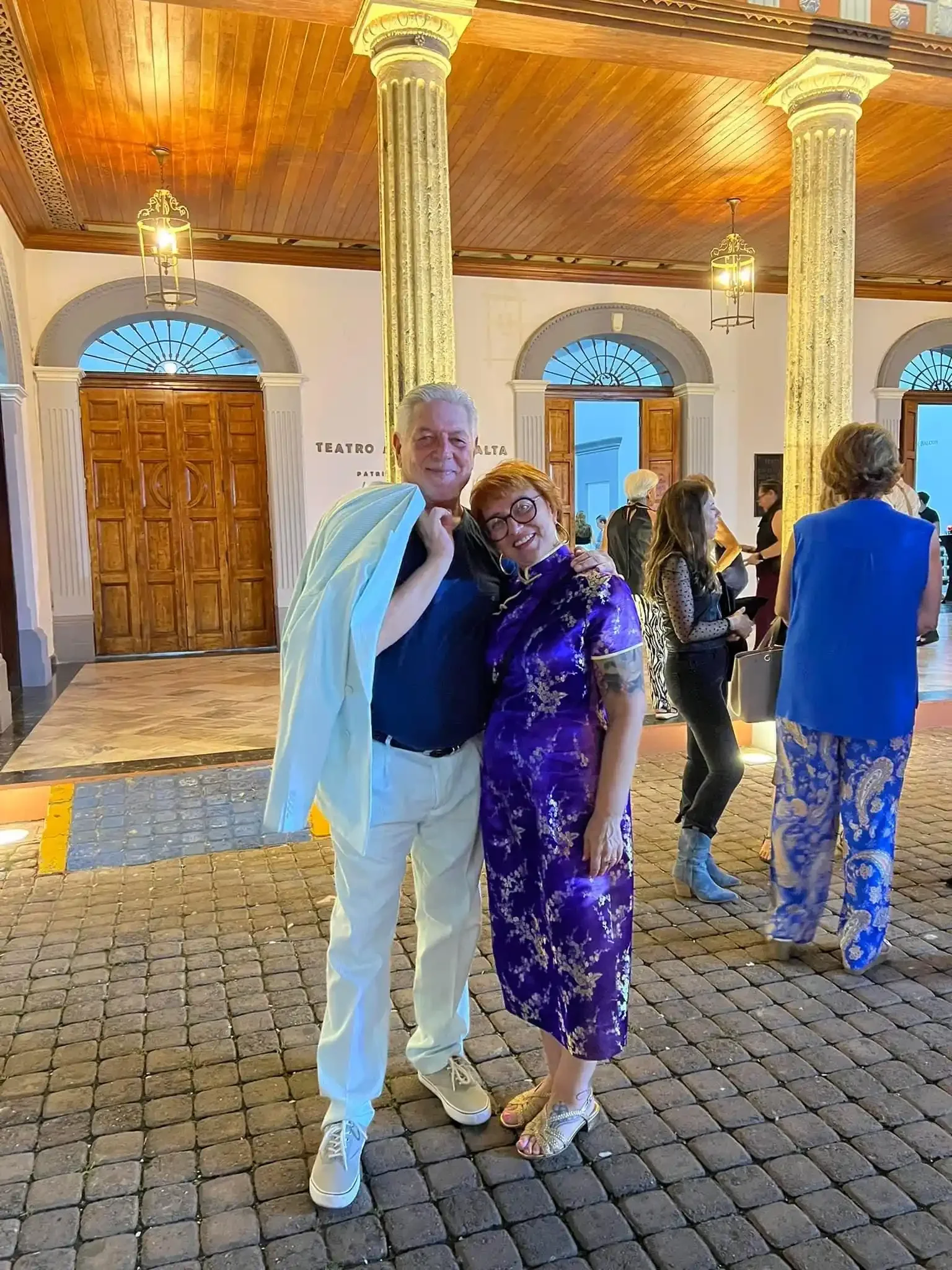
Mexico is where our things are. I'm not ready to call it permanent yet because I'm still here in Seattle most weeks, working. But the direction is set. The next post will be from the other side, with everything we learned about choosing the country, getting residency, moving the cats, and what daily life actually feels like once you're there.
If you're somewhere in the same in-between, I'd like to hear from you.