Carnaval de Mazatlán
If you ever want to see a city fully surrender to joy, come to Mazatlán during Carnival.
The Pacific sparkles. Fireworks burst over the Malecón. Sequins shimmer under stadium lights. Banda music rolls through the streets. And suddenly, everyday life gives way to something theatrical, musical, and wonderfully alive.
Mazatlán’s Carnival isn’t just a party, it’s a tradition with deep roots and a personality all its own.
A Celebration with History
Dating back to 1898, Carnaval de Mazatlán is one of the oldest carnivals in Mexico. What began as lively street celebrations eventually evolved into a structured, grand-scale cultural event blending European Carnival traditions with Mexican artistry and Sinaloan pride.
Over the decades, it has grown into one of the most important Carnival celebrations in the country — known for its elaborate coronations, poetic traditions, allegorical parades, and spectacular fireworks launched over the ocean.
One of its most unique traditions is the Juegos Florales (Floral Games). It is a literary competition honoring poetry and the arts. Yes, in the middle of all the music and dancing, Mazatlán also crowns a Queen of Poetry. That balance between culture and celebration is part of what makes this Carnival so distinctive.
The Themes: Storytelling in Motion
Each year, the entire Carnival revolves around a central theme. It’s not just decorative, it influences everything:
Parade float designs
Costumes and staging
Coronation ceremonies
City decorations
Artistic installations
The result? The parades feel like moving theater productions: carefully designed, dramatic, and deeply expressive.
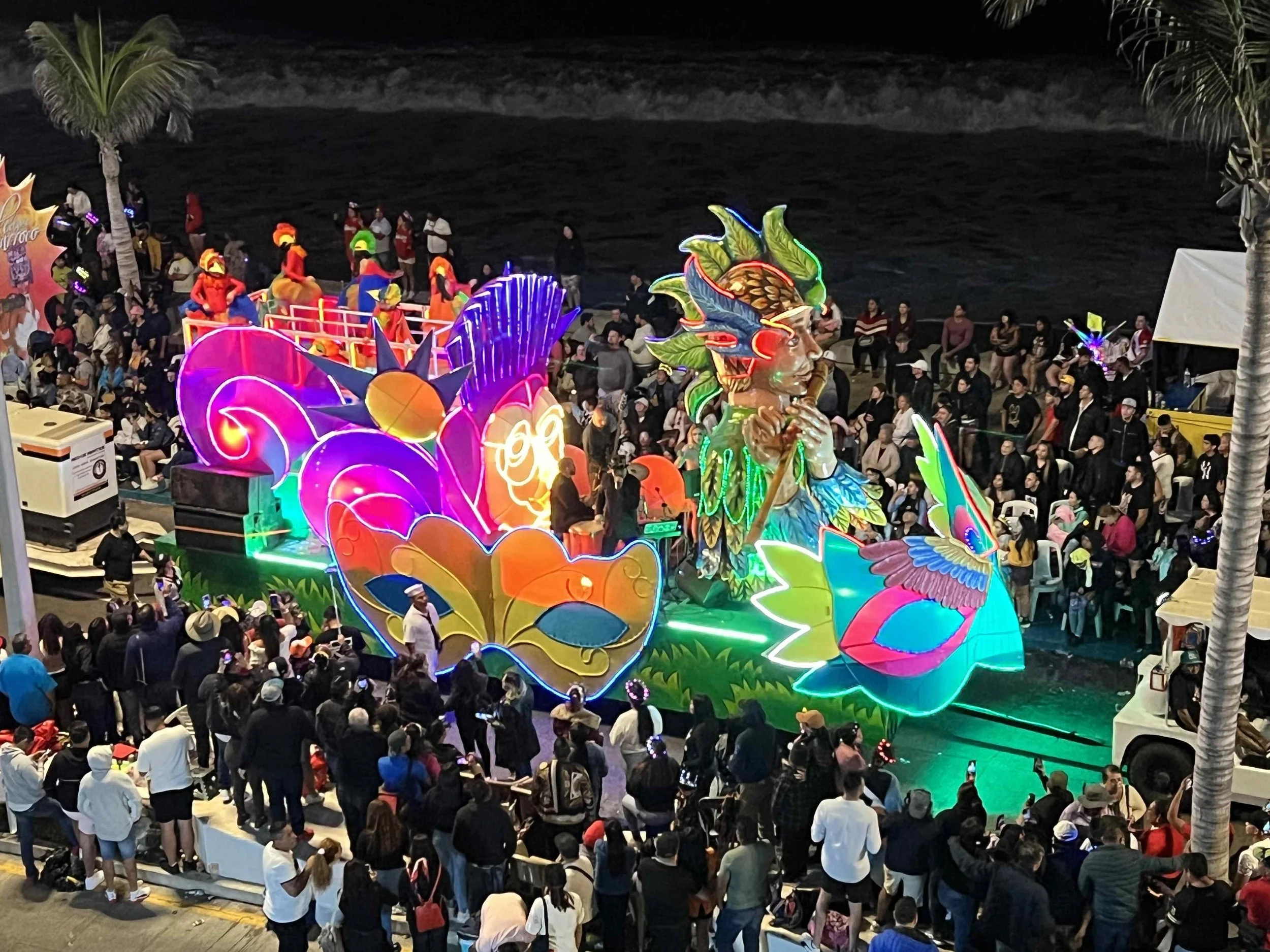
A Float on Malecon During Carnival Parade
2026 Theme: ¡Arriba la Tambora!
In 2026, the theme is especially meaningful: “¡Arriba la Tambora!” — Long Live the Tambora!
The tambora is the large double-headed drum that forms the backbone of Sinaloan banda music. Its rhythm is powerful, festive, and impossible to ignore. During Carnival, you don’t just hear it, you feel it.
This year’s theme celebrates the musical heartbeat of Mazatlán and the cultural identity that defines the region. Expect floats inspired by rhythm and movement, costumes that echo musical energy, and performances where banda takes center stage.
It’s a tribute not just to music, but to the generations who have danced to it.
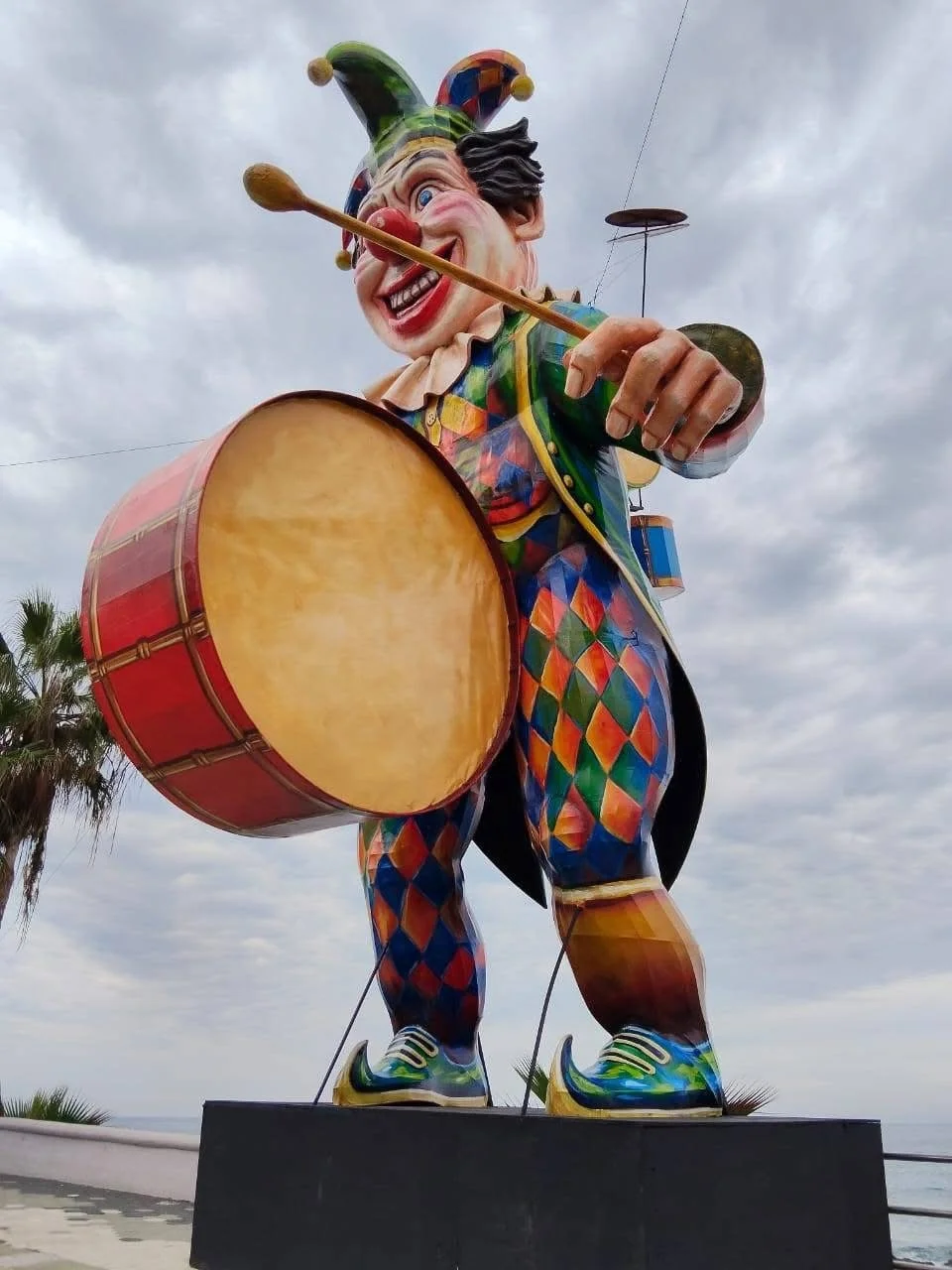
The Monigote with a Tambora
The Monigotes: Carnival’s Giant Welcome
Weeks before the parades even begin, Carnival quietly announces itself through the arrival of the monigotes.
These oversized papier-mâché figures appear along the Malecón and throughout the city — colorful, whimsical, sometimes dramatic, always larger than life. They reflect the year’s theme and feel like guardians of the celebration.
In 2026, you might spot giant musical symbols, dancing figures, or playful tributes to tambora culture standing proudly against the Pacific backdrop.
Locals pose for photos. Children gaze up at them in awe. At sunset, they glow softly as the sky turns pink over the ocean.
They’re handmade, joyful, slightly imperfect, and completely charming. They transform the city into an open-air art gallery long before the first parade float rolls by.
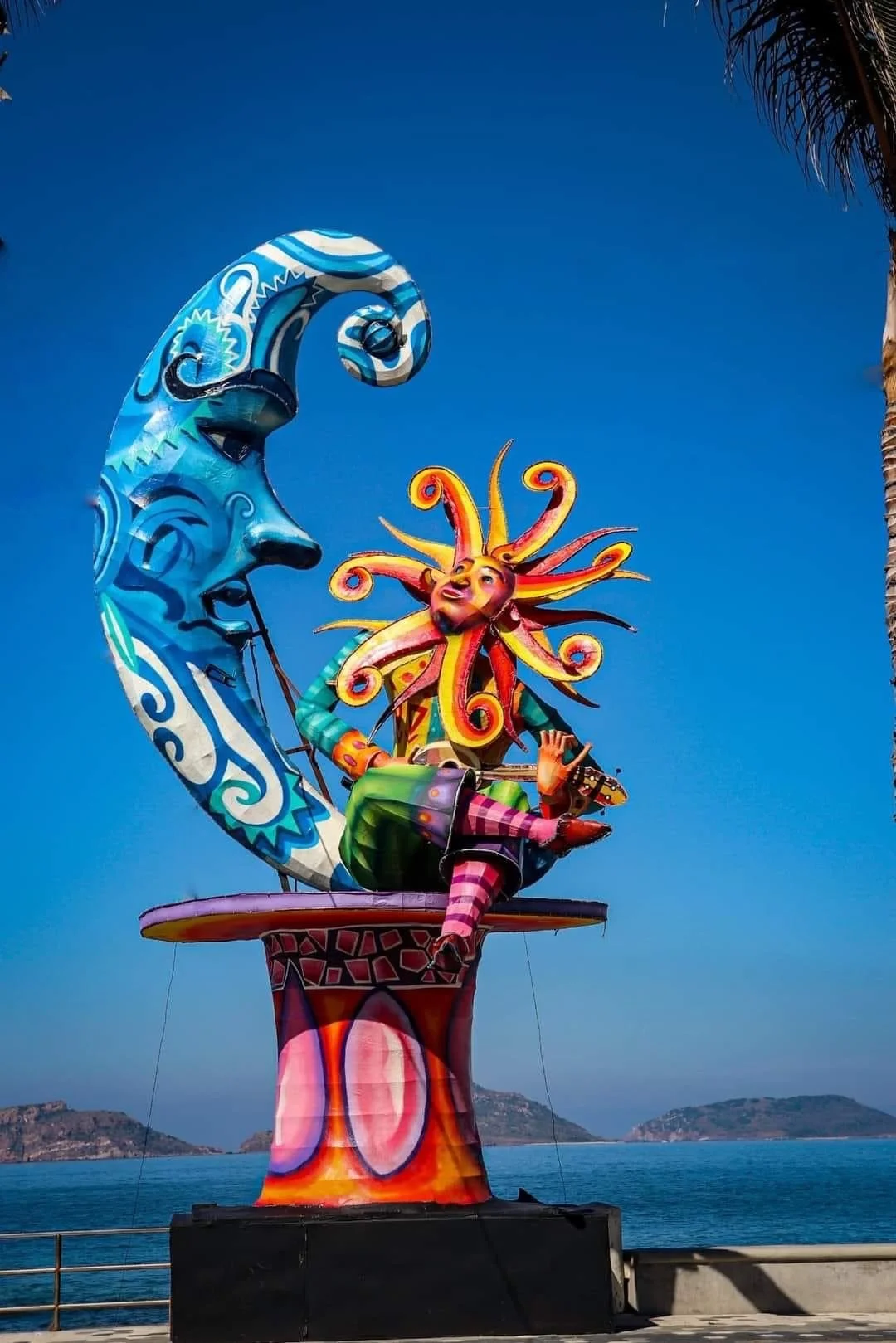
One of Monigotes
The Naval Battle: History in Light
One of Carnival’s most powerful traditions unfolds after dark.
The Naval Battle is not simply a fireworks display. It commemorates the historic defense of Mazatlán’s port in 1864, when local forces resisted a foreign naval attack.
Today, what was once battle is remembered through bursts of color over the very same waters.
As night settles over the Pacific, the Malecón grows quiet with anticipation. Families unfold chairs. Vendors weave through the crowd. The ocean darkens. Then suddenly — the first explosion of light.
Fireworks erupt over the sea, echoing across the water in deep, thunderous waves. Reflections shimmer across the Pacific. The sound feels almost physical — part drumbeat, part heartbeat.
It is dramatic. Emotional. Beautiful.
There’s something profoundly moving about transforming a moment of defense into a ritual of remembrance and celebration. It speaks to Mazatlán’s resilience — proud, coastal, unshaken.
Under a theme like ¡Arriba la Tambora!, the symbolism feels even stronger: rhythm below, fire above, ocean in between.
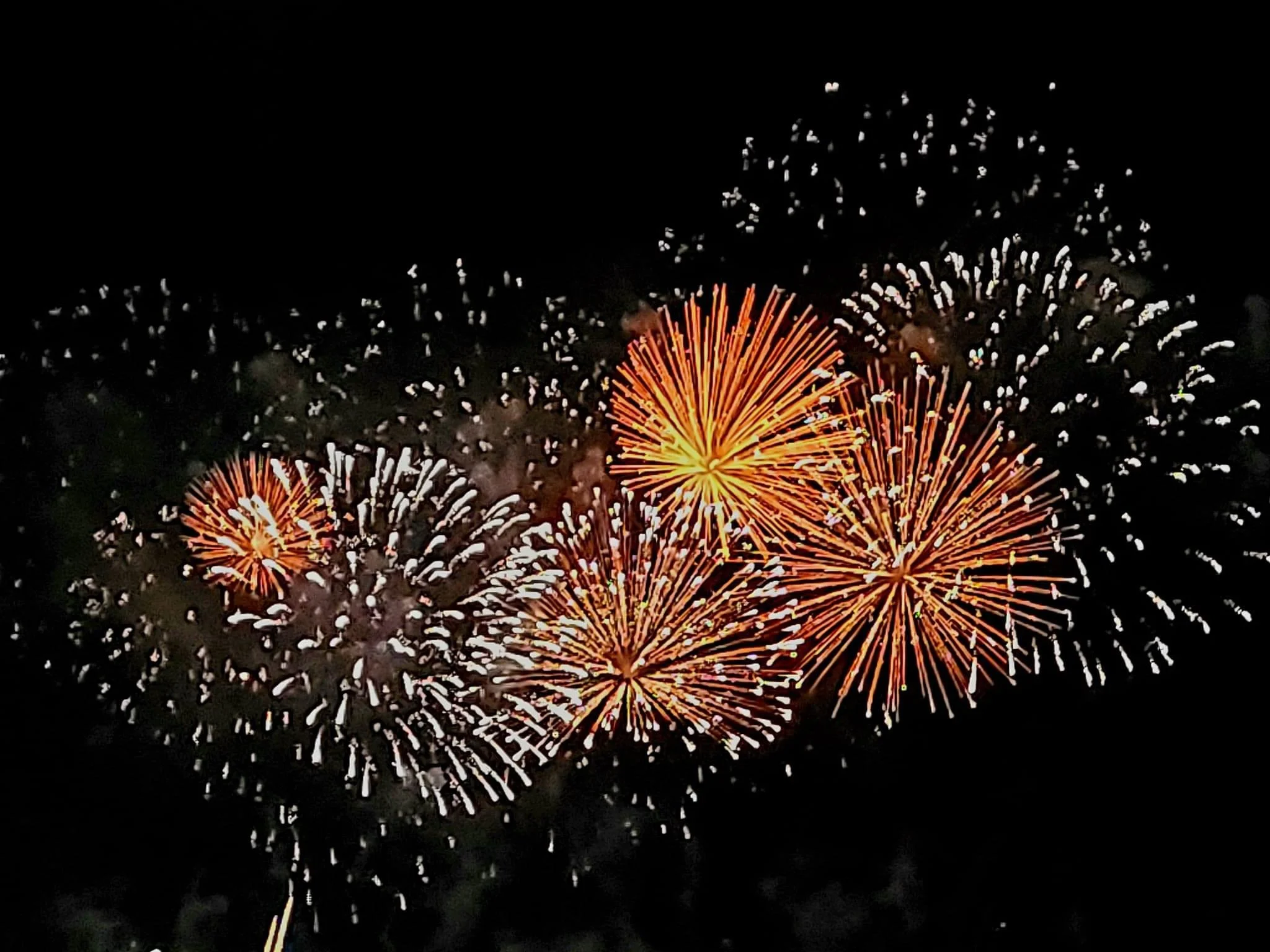
Naval Battle Fireworks
What Carnival Week Feels Like
Carnival week itself is electric.
There are grand coronations held at Teodoro Mariscal Stadium, complete with gowns that sparkle like something from a fairytale, dramatic staging, and fireworks that light up the sky.
Two major parades glide along the Malecón, with floats illuminated at night and fireworks launched over the ocean. Concerts bring thousands together. Families gather early to claim viewing spots. Vendors sell churros and snacks. Music spills into every corner.
And yet, despite its scale, it still feels personal.
Mazatlán is a coastal city, and there’s a relaxed Pacific rhythm beneath the glamour. You’ll see elegantly dressed guests heading to coronations alongside families in lawn chairs. It’s multigenerational. Proudly local. Deeply rooted.
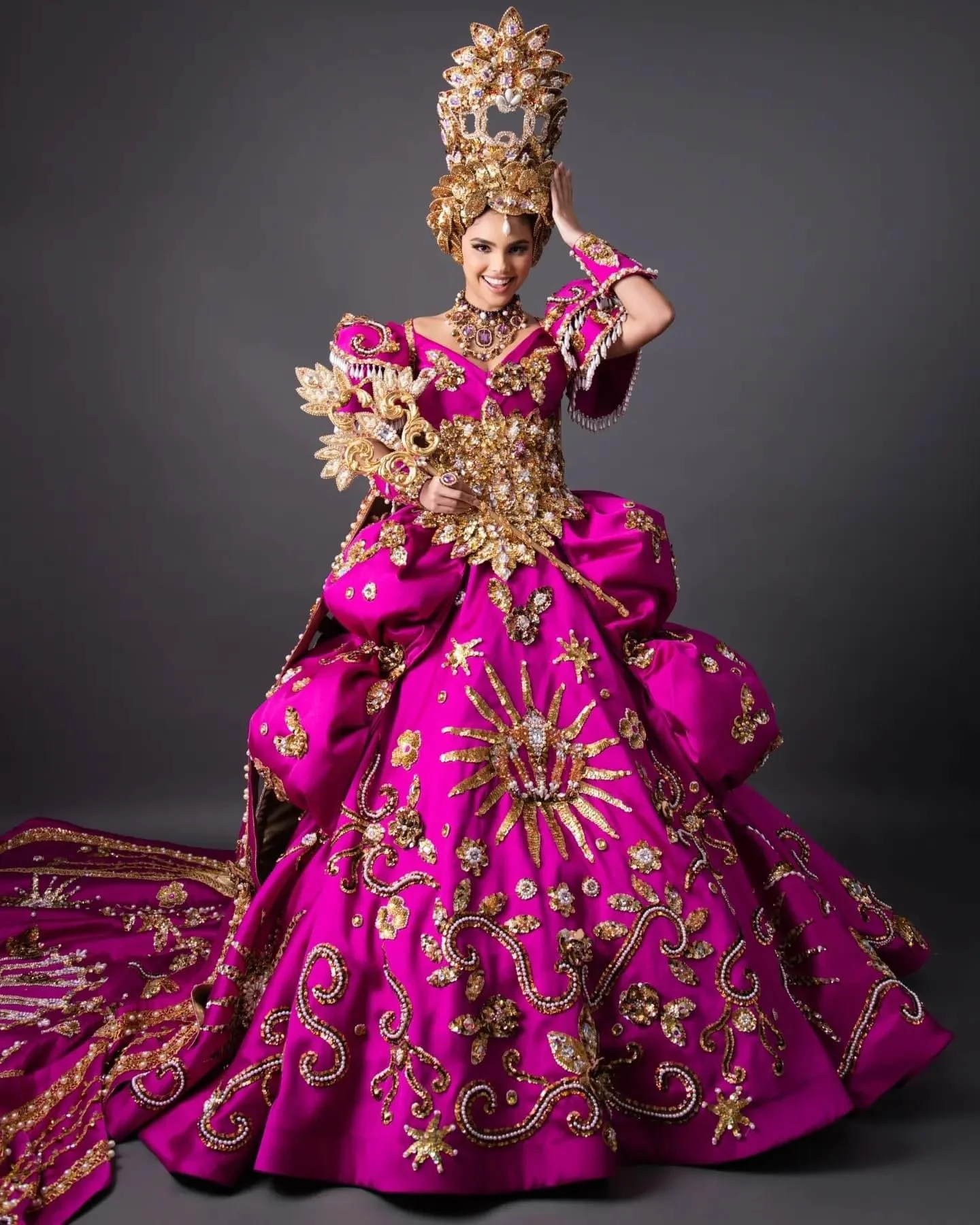
The Queen of the Carnival.
Why It Stays With You
Mazatlán’s Carnival isn’t just about spectacle. It’s about community, identity, and rhythm.
It’s fireworks over the ocean.
It’s the deep echo of tambora drums in your chest.
It’s giant monigotes smiling over the Malecón.
It’s poetry and sequins sharing the same stage.
And once you experience it, you understand why locals count down the days until Carnival season returns.
Have you ever experienced Carnival in a coastal city? I’d love to hear what made it unforgettable for you.